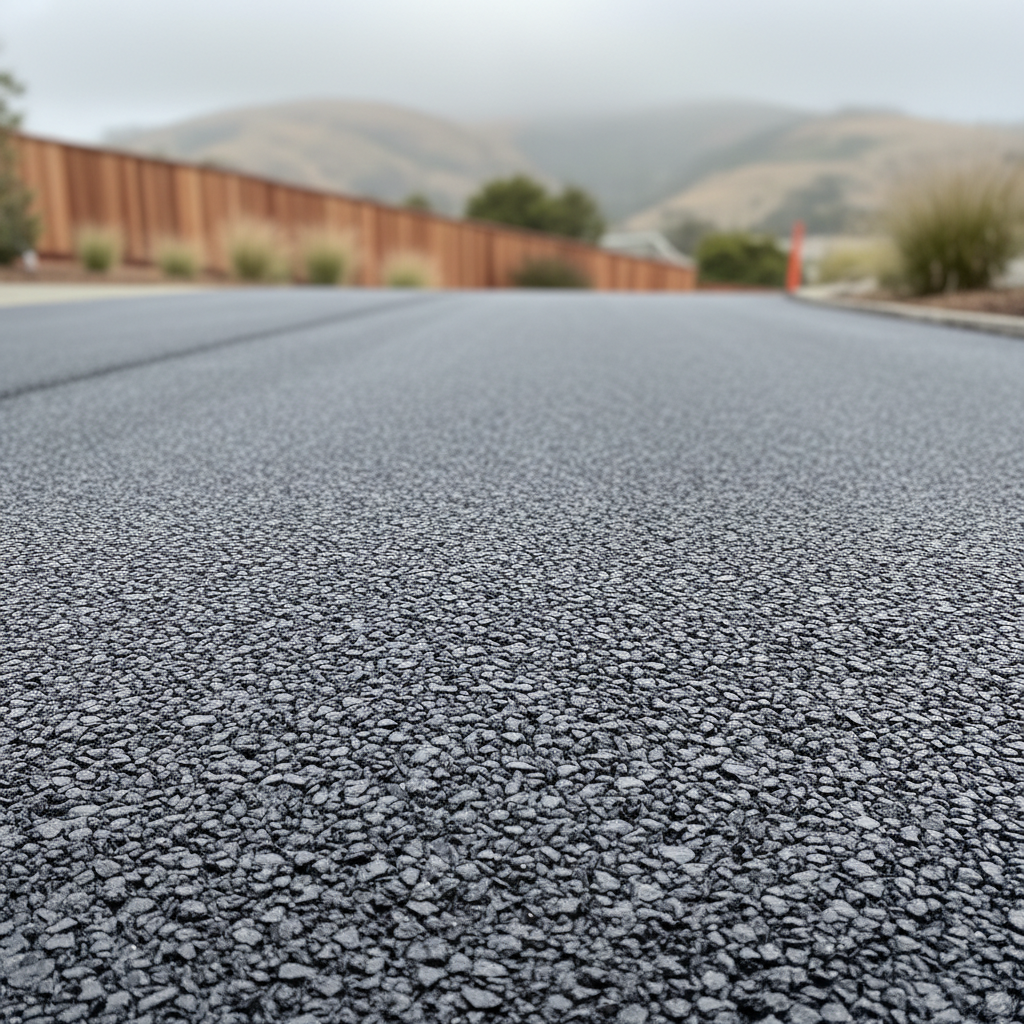
So, you're staring at that cracked, uneven patch of asphalt, or maybe you're thinking about putting in a new paved area around your San Francisco home. You might be asking yourself, "Can I just tackle this myself?" That's a fair question. After all, I've been doing this kind of work for years with Alpha Asphalt San Francisco, and I've seen folks try just about everything. Let me break down what's truly a good DIY project and what really needs a pro.
Before You Even Think About Paving
First things first: planning. This is actually where you can save a ton of money and avoid headaches just by doing your homework. You need to figure out how big your project is, what shape it'll be, and — most importantly — what you'll use it for. Is it a walkway that won't see much foot traffic? Or is it a driveway that'll get hammered by heavy SUVs and delivery trucks every single day? The answer to that question changes everything about the base and how thick your asphalt needs to be.
- Measure Twice, Cut Once: Get those dimensions super accurate. This helps you get a good handle on material costs and how much labor you'll need.
- Check for Utilities: Seriously, don't just start digging blind. Call 811 a few days before you plan to break ground. You definitely don't want to hit a gas line or a water main, trust me.
- Drainage is Key: San Francisco gets its fair share of rain, especially in the winter months. Water pooling on your asphalt is a recipe for disaster — we're talking cracks, potholes, and it'll just fall apart too soon. You absolutely have to plan for proper drainage, usually a slight slope that directs water away from your buildings. This part is critical.
- Permits: For bigger projects, or if you're changing the ground level a lot, you might need a permit from the city. Better check with the Department of Building Inspection. Don't skip this step; fines are no fun at all.
What can you DIY here? All of it! Measuring, calling 811, checking permit requirements, and thinking about drainage — that's all research and planning. None of it requires heavy equipment or specialized skills.
The "During" Phase: Where DIY Gets Tricky
Okay, so you've got your plan all set. Now comes the actual work. This is where the line between doing it yourself and calling in professional help becomes pretty darn clear.
Excavation and Base Prep:
For any new asphalt, you need a really solid, stable base. That usually means digging out the existing soil, maybe laying down a geotextile fabric, and then adding and compacting several layers of aggregate (that's crushed rock). This isn't just about dumping gravel; it's about building a uniform, well-drained foundation that can actually support the asphalt on top.
- What you can DIY: For a super small patch or a shallow walkway, you might be able to dig out the old stuff and lay a simple gravel base by hand. You can even rent plate compactors for those smaller areas.
- When to call a pro: For a driveway or any area bigger than, say, 100 square feet, you're looking at some serious digging. We're talking mini-excavators, bobcats, and heavy-duty compactors. Getting the grade just right, making sure everything's compacted properly over a larger area, and then hauling away all that excavated material? That's definitely a job for the pros. And if your property happens to be on one of those steep SF hills, getting the base right becomes even more critical and complex.
Laying the Asphalt:
This is where almost every DIY attempt goes south, fast. Asphalt isn't something you just pour out of a bucket. It's a hot, sticky material that has to be laid at a specific temperature, spread evenly, and then compacted quickly and thoroughly before it cools down. If it cools too much, it won't compact properly, and you'll end up with weak spots and a surface that won't last.
- What you can DIY: Honestly? Almost nothing. Maybe, just maybe, if you're patching a tiny pothole with cold patch asphalt (which isn't permanent anyway), you can do it. But for anything that needs to last, don't even bother trying.
- When to call a pro: Always. We use specialized equipment like asphalt pavers and rollers that weigh tons. Our crews are trained to work with hot asphalt, spread it uniformly, and achieve the perfect compaction and slope for drainage. Trying to do this yourself will just result in an uneven, poorly compacted surface that will fail quickly, costing you more money in the long run.
After the Paving: Maintenance You Can Do
Okay, so you (or hopefully, we!) have put down a beautiful new asphalt surface. Now what? Maintenance is absolutely key to making your investment last. This is where you can definitely get your hands dirty and save some cash.
- Keep it Clean: Sweep off dirt, leaves, and other debris regularly. This stops organic matter from breaking down on the surface and keeps water from sitting in puddles.
- Address Spills: Oil, gas, and other chemicals can soften and degrade asphalt. Clean up spills right away with an absorbent material and a mild detergent.
- Watch for Cracks: Small cracks are normal over time. You can buy asphalt crack filler at most hardware stores and fill these yourself. Don't let them get big; water seeping into cracks is the number one enemy of asphalt.
- Sealcoating: This is a protective layer you apply every few years. While you *can* technically DIY sealcoating for a small driveway, getting a professional finish that's uniform and durable is tough. For larger areas or if you just want it done right, Alpha Asphalt San Francisco can handle it.
So, there you have it. Plan thoroughly, understand the limits of what you can do yourself, and know when to bring in the experts. Your asphalt will definitely thank you for it.