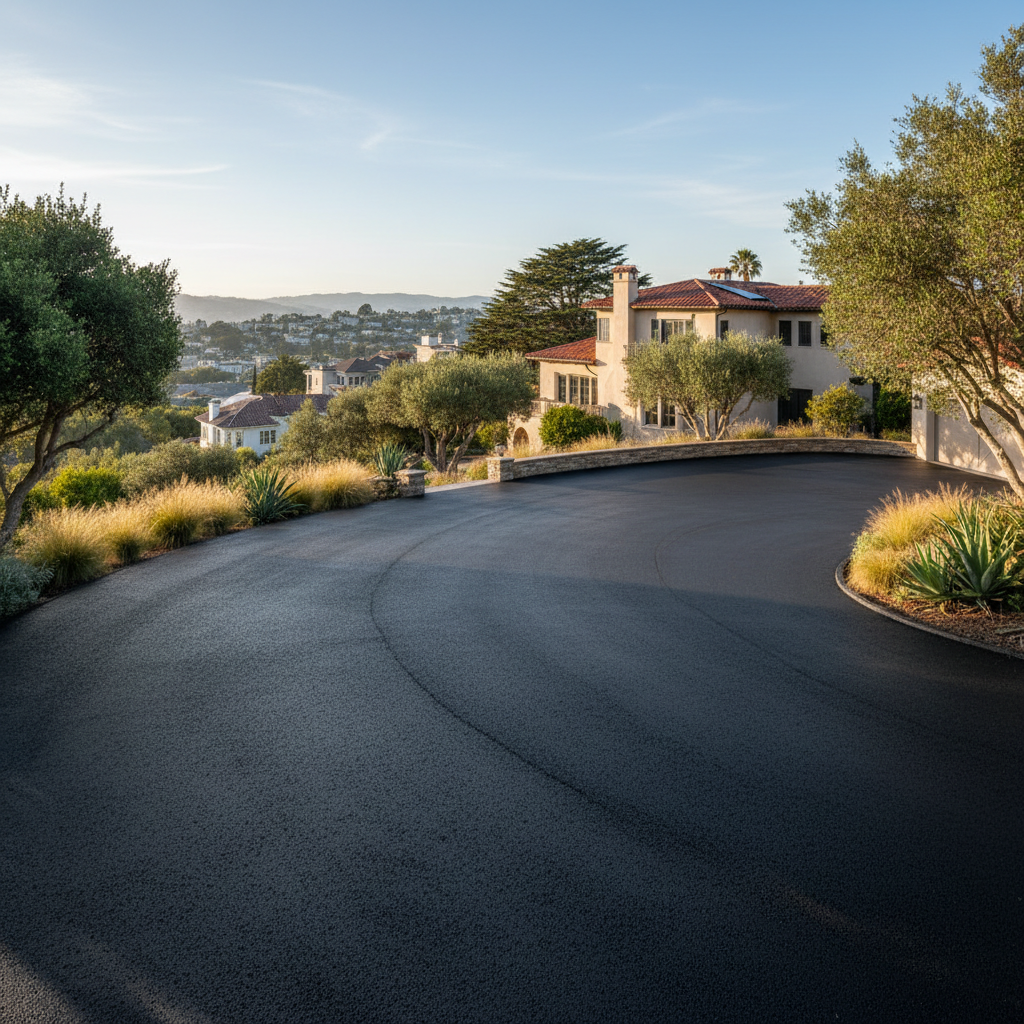
If you run a business with a parking lot or an access road, you've got asphalt to think about. And let's be honest, here in San Francisco, our weather isn't quite like anywhere else. You can't just pick any old day on the calendar for major asphalt work and expect it to hold up. So, when's the best time to schedule? What weather really matters? And how do you keep that asphalt looking good year-round?
Timing Your Commercial Asphalt Projects in SF
Look, if you're considering a big paving job, a major repair, or even just a fresh sealcoat for your commercial property, timing is absolutely crucial. Our "seasons" aren't as clear-cut as, say, the Midwest. We don't get harsh winters with feet of snow, sure, but we do get a lot of fog and a very distinct rainy season.
The absolute best window for asphalt work in San Francisco typically runs from late spring right through early fall. Think May, June, July, August, September, maybe even early October if we catch a break. Why then? Because that's when we have the highest chance of consistent dry weather and warmer temperatures. Asphalt needs warmth to cure properly, to dry out thoroughly. If it's too cold, or if there's too much moisture around, the materials won't bond correctly, and you'll end up with a weaker, less durable surface. Trust me on this.
Trying to schedule a big paving job in December or January? You're just asking for headaches. You'll either face constant delays because of rain, or the work will get done in less-than-ideal conditions. That means it won't last as long. It's a waste of your money and, frankly, our time.
Weather Conditions That Really Matter
When I'm looking at a commercial job for Alpha Asphalt San Francisco, I'm not just checking if it's raining. Here's what I'm truly paying attention to:
- Temperature: Asphalt needs to go down when the ground and air temperatures are above 50 degrees Fahrenheit and climbing. If it's too cold, the asphalt cools too fast, making it tough to compact right. This leads to a less dense, more permeable surface that'll break down quicker.
- Moisture: This is a huge one. You simply cannot lay asphalt on wet ground. Full stop. And you can't sealcoat if rain is expected within 24-48 hours, depending on the product we're using. Moisture trapped underneath or on the surface during application will stop proper adhesion and curing. Even a heavy fog can cause problems if it keeps the surface damp for too long.
- Wind: Strong winds can mess with the temperature of the asphalt mix as it's being laid, cooling it down too fast. It's not usually a deal-breaker for paving, but it's definitely something we factor in.
- Fog: Our famous San Francisco fog, especially in spots like the Sunset or Richmond districts, can be a real nuisance. It keeps surfaces damp and can push back sealcoating or striping jobs. We really need clear, dry conditions.
We're always watching the forecast super closely. Sometimes, we'll have to reschedule, and I know that's inconvenient for your business, but believe me, it's always in your best interest for the long haul of your asphalt.
Protecting Your Commercial Asphalt Investment Year-Round
So, you've got a great asphalt surface. How do you keep it that way, especially with our rather unique climate?
First off, drainage is absolutely critical. Make sure your storm drains are clear and your lot is graded correctly. Standing water is asphalt's worst enemy. It seeps into cracks, and when temperatures fluctuate (even a little in SF), it expands and contracts, causing even more damage.
Second, deal with cracks immediately. Don't wait. A small crack can turn into a pothole in no time. Crack filling is a relatively cheap way to prevent water from getting in and really extend your pavement's life. We see a lot of commercial properties ignore this, and it always costs them more down the road.
Third, clean regularly. This isn't just about looking good. Oil spills, fuel leaks, and other chemicals can actually break down the asphalt binder. Get them cleaned up promptly. Also, sweeping away dirt and debris keeps it from holding moisture against the surface.
Fourth, think about sealcoating every few years. This is like sunscreen for your asphalt, protecting it against UV rays, water, and chemicals. Plus, it gives your lot a fresh, professional look. Just remember what I said about timing – make sure you do it in the dry season!
Finally, manage heavy loads. If you have delivery trucks or heavy equipment, make sure they aren't consistently driving or parking in the same spots, especially if those areas weren't designed for extreme weight. Over time, this concentrated stress will cause rutting and cracking. What a mess.
Taking these steps, and understanding our local San Francisco weather patterns, will help you get the most out of your commercial asphalt. It's an investment, after all, and like any good investment, it needs smart management.